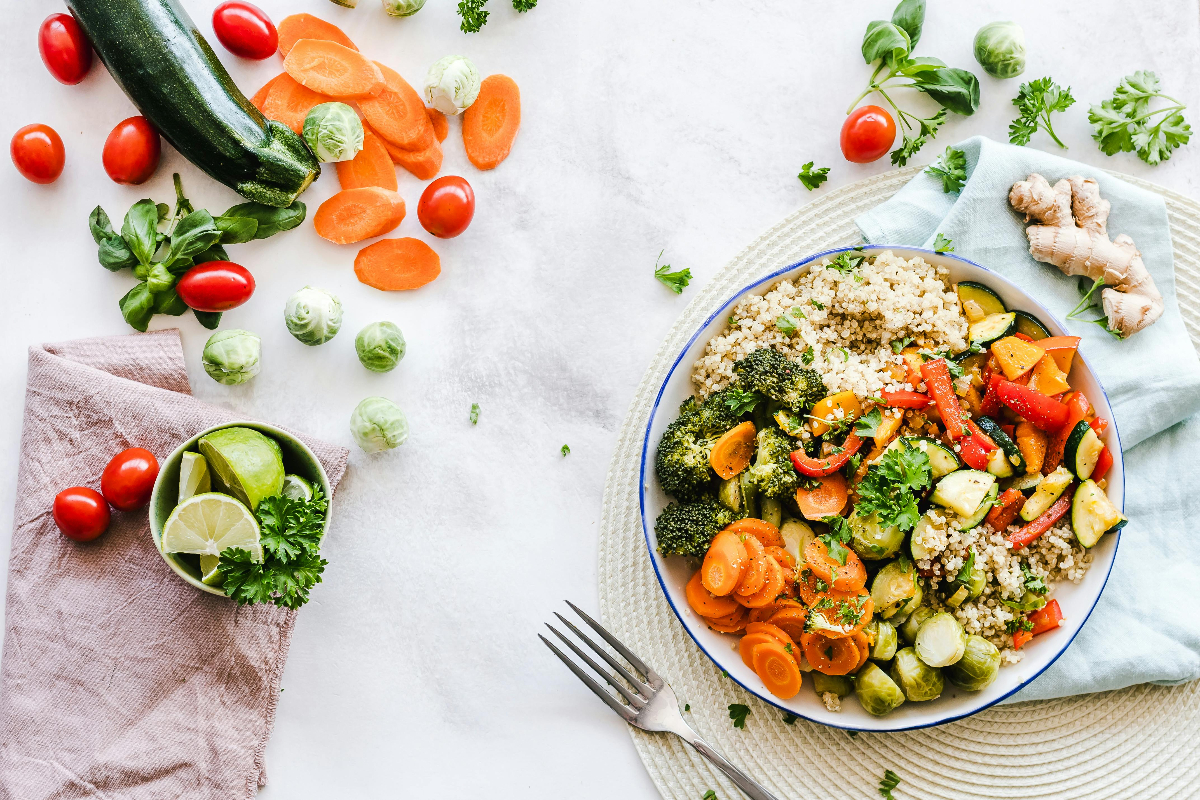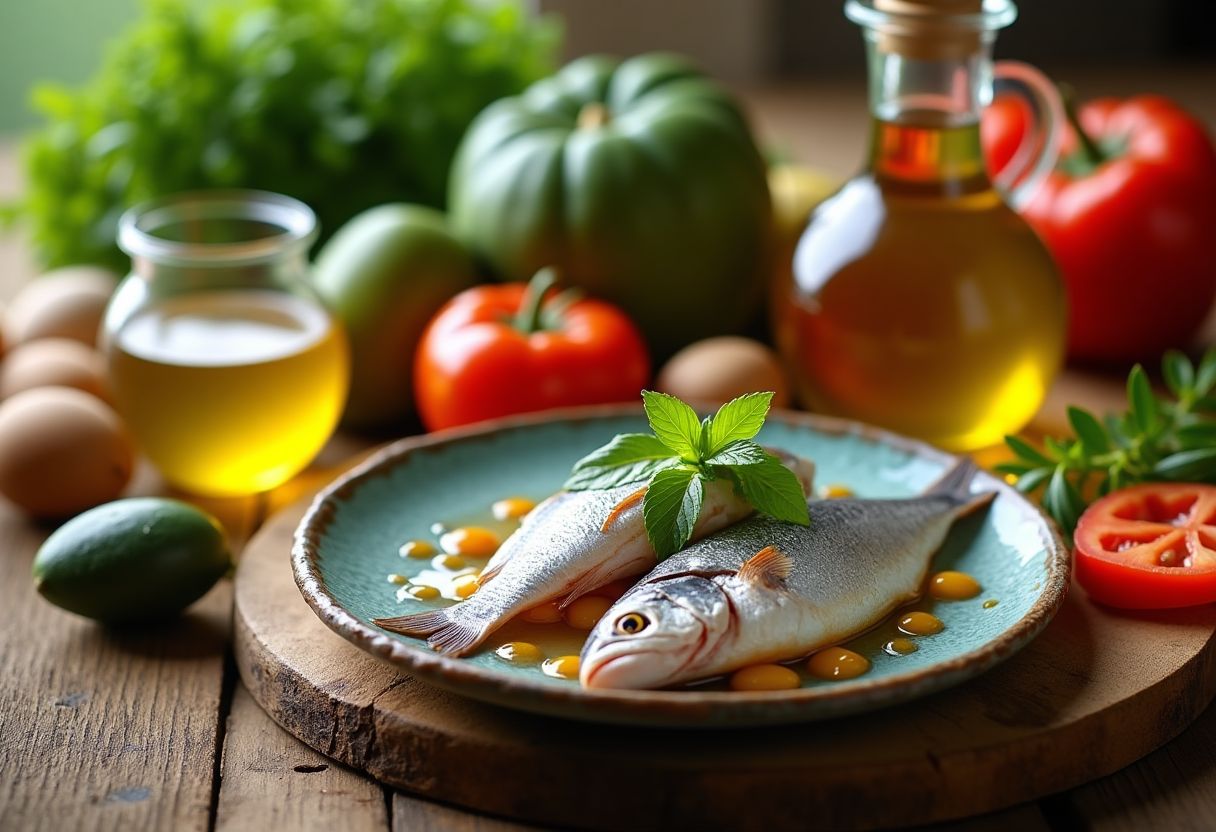
Discover how traditional Maltese foods can boost your health when prepared correctly.
The Mediterranean diet is often celebrated globally, but here in Malta we have a unique advantage. The original ingredients are literally on our doorstep. Yet many Maltese people don't fully realise how powerful their culinary heritage really is when it comes to health outcomes.
Beyond the Hype: What the Science Actually Says
The PREDIMED trial, one of the largest nutritional studies ever conducted, showed that a Mediterranean diet supplemented with olive oil or nuts reduced major cardiovascular events by approximately 30%. More recent studies have linked it to reduced cognitive decline, lower rates of type 2 diabetes, and even improved mental health outcomes.
The Problem: How We're Eating It Wrong
Here's the truth: the Mediterranean diet only works when it's prepared correctly. The issue in Malta, like much of the world, is that we've imported bad habits. Deep frying, over-reliance on refined carbohydrates, and excess salt have diluted the health benefits of what should be a fantastic diet.
- Olive oil is healthy, but not when you're frying bread in it daily
- Fish is excellent, but battered and deep-fried negates the benefits
- Tomatoes are superfoods, but tomato sauce loaded with sugar isn't the same
- Legumes are powerful, but canned versions with excessive sodium reduce their value
The Mediterranean diet is not a specific recipe. It's a way of preparing food. Simplicity, freshness, and quality ingredients are the foundation. Less processing, more real food.
3 Simple Rules to Follow
- Rule 1: If it comes in a packet, read the label. Aim for fewer than 5 ingredients.
- Rule 2: Cook at least 4 dinners at home per week using seasonal Maltese produce.
- Rule 3: Use olive oil as your primary fat, not butter, not vegetable oil.
Tip: The Sunday Marsaxlokk fish market is one of the best places in Malta to source fresh, seasonal fish at fair prices. Make it a weekly ritual.
Share this article